

The heat is coming
26 June 2026, Author: Mateusz Gałęski
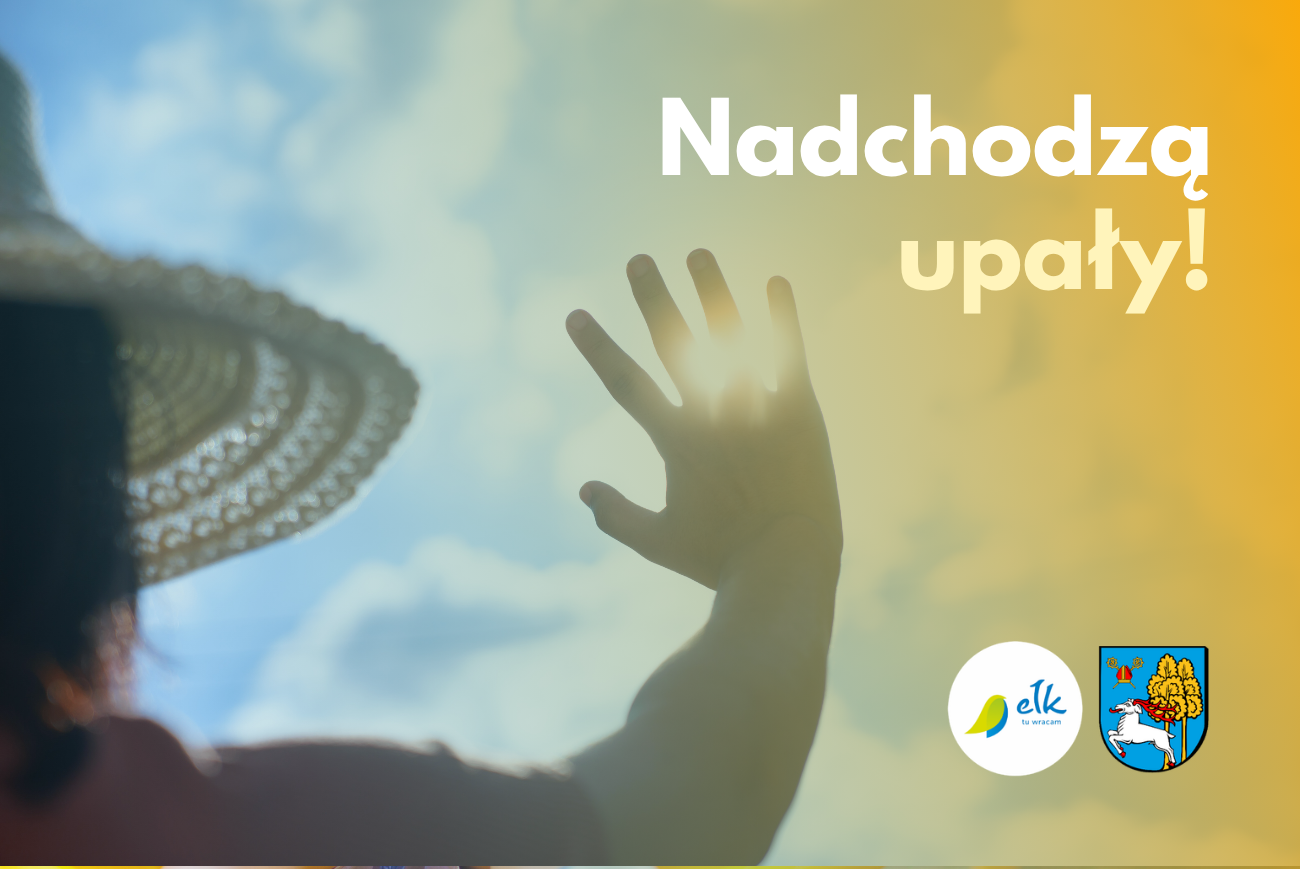
A hot weekend is ahead of us. According to IMGW forecasts, on Saturday (27 June) thermometers in Ełk will show up to 35°C. On Sunday (28 June) it may be as high as 39°C.
On such hot days, it is worth limiting direct exposure to sunlight. You should also take care of proper hydration.
The Warmian-Masurian Voivodeship Office in Olsztyn warns of a heat wave and reminds how to behave during hot days:
Heat can lead to sunstroke or heat stroke, which is a threatening condition health and even life. Its symptoms are: fatigue, strong headache and dizziness, nausea, fever, tinnitus, seizures, life-threatening body temperature, higher heart rate, and breathing.
Heat also affects the system nervous human being. High temperatures can cause lethargy, nervousness, and also affect the level of concentration and work efficiency – you need to talk about it remember, e.g. when driving a car.
If you feel dizzy, weakness, anxiety or severe thirst and headache, call alarm system (tel. 112). If possible, move to a cool place.
If you are taking medication, be sure to constant contact with a doctor to check their effect on thermoregulation and water-electrolyte balance.
The heat is especially
dangerous for the elderly and children. You also need to take care of the animals,
because high temperature can also lead to overheating of the body.
Remember, warm-blooded animals that do not have sweat glands regulate
body temperature in other ways, e.g. dogs use the evaporation of saliva from the
tongue while panting. Therefore, leaving the dog
in the car in the sun, you put him at risk of death.
How to protect yourself from the heat?
Close the windows at home during the day and blinds to limit the influx of hot air into the rooms (especially on the sunny side). Open the windows in the morning and at night, when the temperature is lower – if, of course, the safety conditions for this allow.
Wear light and breathable clothing with natural fabrics, in light colors. This will support proper thermoregulation body.
Avoid extreme temperatures –
If you work in air-conditioned rooms, do not go out immediately to the
outside where it is hot – this can cause thermal shock, especially in
older
and very young people.
Limit sunbathing because too much
Prolonged exposure to the sun is harmful to the body, which can easily
overheat and the skin get burned. Stay in the sun no longer than
maximum
2 hours a day, using protective creams.
Avoid strenuous effort physical activity at the hottest time of the day. Physical exertion, such as running, can lead to dehydration, muscle spasms caused by dehydration and loss of minerals, overheating of the body or heat stroke.
When you are by the water, remember that you do not you are allowed to enter it abruptly immediately after sunbathing – before you start swim, rinse your body (face, chest) with the water you enter and Only then slowly immerse yourself in it.
When traveling by car, more often Take breaks and rest in shady areas to mitigate the negative The effect of high temperature on concentration.
Hydrate your body – drink a lot water, preferably still On
hot days, prepare light
meals, based on fruits and vegetables, which provide the body with
essential minerals and vitamins. Avoid fatty, fried
and high-calorie dishes, which additionally burden the already tired heat
organism.
High temperatures are conducive to salmonella bacteria, so avoid raw egg foods, and Also wash your hands often and thoroughly. Avoid alcohol because it promotes dehydration of the body.
Children and pets
Do not leave under any circumstances
children and pets in a parked vehicle. Temperature
in a hot car can exceed up to 50 - 60 °C.
Children should not leave the house. If you have to go out, dress your child in a light, permeable air, light-colored clothing. Remember to wear a hat, preferably with a baseball cap.
Protect your child from the sun,
m.in. using an umbrella over the stroller even when it is stationary
in a shaded place.
Give your child lukewarm but not cold drinks, in particular herbal and/or fruit teas, as well as water mineral or juice. Bathe your child in lukewarm (not cold!) water.
Seniors Seniors
do not
They should leave the house. If necessary, it is necessary to
with a hat.
Professionally active seniors - recommendations for employers in the guide "Good Climate at work" www.gov.pl/rodzina.
Older people usually take larger amounts of medication. During hot weather, when the body becomes dehydrated, their The concentration in the body can even increase to life-threatening. W Therefore, they should monitor their well-being very carefully, and first of all, follow the recommendations related to the management of heat.
Good to know
When sunbathing, use creams with
SPF – (sun protection factor). Remember, however, that cosmetics
with a filter do not provide full protection. They only reduce the risk of
burns.
Levels of protection:
SPF 2-6 – WEAK
SPF 9-12 – MEDIUM
SPF 15-25 – HIGH
SPF 30-50 – VERY HIGH
SPF >50 – ULTRA HIGH
Always apply sunscreen cosmetics on the skin before going out in the sun.
Remember that the effectiveness of protection before UV radiation decreases over time.
Be sure to re-coat when you sweat, after swimming, after wiping your skin with a towel. Apply to the right amount of cosmetic – figuratively – is about 6 teaspoons per body an adult.
Heat is when the air temperature at the surface of the earth exceeds 30 ° C. During the day, The highest temperature occurs between 3 p.m. and 6 p.m., and not as it turns out commonly believed – at noon, and the highest UV radiation is recorded from 12.00 to 13.00.
- News »
- Events happening in Ełk »
- Education »
- Civil Protection and Civil Protection »
- Videos from the series Safe Elk »
- Videos of the series happens in ełk »
- Physical Culture Development Fund »
- Innovative FUA Ełk - FEWiM strategic project 2021-2027 »
- Investments »
- Invest - aktualności »
- Invest - projekty inwestycyjne »
- Invest - slider »
- Invest - tereny inwestycyjne »
- About Coronavirus »
- Culture »
- In memory »
- White Lily Award Winners »
- NATO in Masuria »
- Awards and distinctions for Ełk »
- Awards and scholarships »
- Deliberations of the Elk City Council »
- Ngos »
- Aid to Ukraine »
- Improving the energy efficiency of buildings »
- Clean Air Priority Programme »
- Government Local Government Roads Fund »
- Government Local Investment Fund »
- Government Program for the Reconstruction of Monuments »
- Revitalization »
- Entertainment »
- Anniversaries and celebrations »
- Sport »
- Obstructification and changes in traffic organisation »
- Obstructification and change of traffic organisation »
- International cooperation »
- Adopt an Ełk dog »
- Tasks carried out from the state budget or from state special purpose funds »
- Green transport »
- Integrated Territorial Investments of the Ełk FUA »